
How Often a Flannel Really Needs Washing
CARE GUIDE
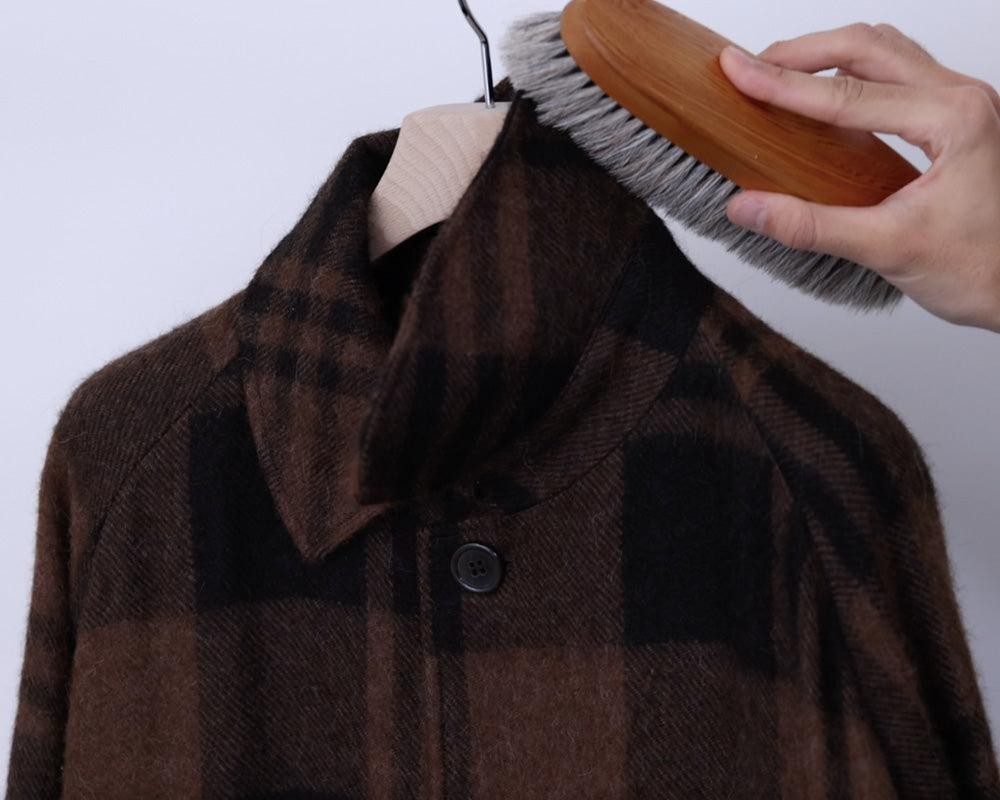
The overshirt on the left has not seen a washing machine in weeks, and it does not need to.
Most care advice is about how to wash a shirt. For a flannel and an overshirt, the more useful question is how often. Brushed cotton loses a little of its nap every time it tumbles, and a heavy twill overshirt rarely touches skin at all. Washing either one on a fixed weekly schedule wears them out faster than wearing them does.
Below is a count-based approach: what each layer does between washes, when a wash is due, and what a wash should look like when the time comes.
The Overshirt Almost Never Goes In
An overshirt is worn over a flannel or a tee, so sweat and skin oil rarely reach it. What it collects is surface dust, the occasional splash, and whatever was on the car seat. None of that needs a machine.
After a day's wear, hang it on a hook by the door rather than folding it, so the air gets to both sides overnight. Once a week or so, go over it with a clothes brush, following the grain of the twill, and empty the pockets of the receipts and lint that gather in the corners. A damp cloth lifts most marks on a dense twill or wool blend if you get to them the same day.
A full wash is due when the collar fold or the inside of the cuffs starts to look darker than the rest, or when a mark has set past what the cloth can lift. For most people that is a handful of times a year, not a handful of times a month.
The Flannel Is a Three-Wear Shirt
A flannel goes on next to a tee or next to skin, so it picks up more. Three wears is a sensible count for a flannel worn over a tee. One or two if it was worn alone on a warm afternoon, or if the collar touched the back of your neck all day.
Between wears, hang it with the top button closed so the collar keeps its fold, and give the cuffs a shake. If one area needs attention, the collar and the cuffs are where it will be, and a soft brush or a damp cloth handles those without a full cycle.
Why Fewer Washes Keep the Nap
Brushing is a finishing step: the mill drags the surface of the cloth with fine wire to lift the fiber ends into a soft layer. That layer is what makes a flannel feel warm, and it is also the first thing a washing machine takes away. Each cycle rubs a little of the nap flat and sends a little more down the drain as lint.
A flannel washed every wear looks thin and flat inside a year. The same flannel washed every third wear keeps its surface for several. The count is the care.
When the Wash Is Due
Follow the care label printed inside the shirt, which we copy word for word onto every listing. The points that matter most for these two layers:
- Button the front and the cuffs before the shirt goes in, so the placket stays flat and the buttons do not catch on other items.
- Empty the pockets. A forgotten pen or a folded receipt in a flap pocket will mark the cloth from the inside.
- Wash the overshirt on its own or with other heavy pieces. Its weight will rub the nap off a flannel in the same drum.
- Take both out of the machine as soon as the cycle ends and hang them to finish drying. Heat from a dryer is what tightens the fit and flattens the surface.
If a shirt arrives with a fault rather than developing one, that is covered by our Return & Refund Policy. Questions about shrinkage and the measurements on each listing are answered on our FAQs page.
Thank you for shopping with us, and for leaving the house with your hands free.